Nighttime Existential Dread: The Hour Without Edges
8 min read
Nighttime existential dread is a real, drifting hour where edges fall away. A field note from that place, and a way to find gentler borders without arguing with the dark.
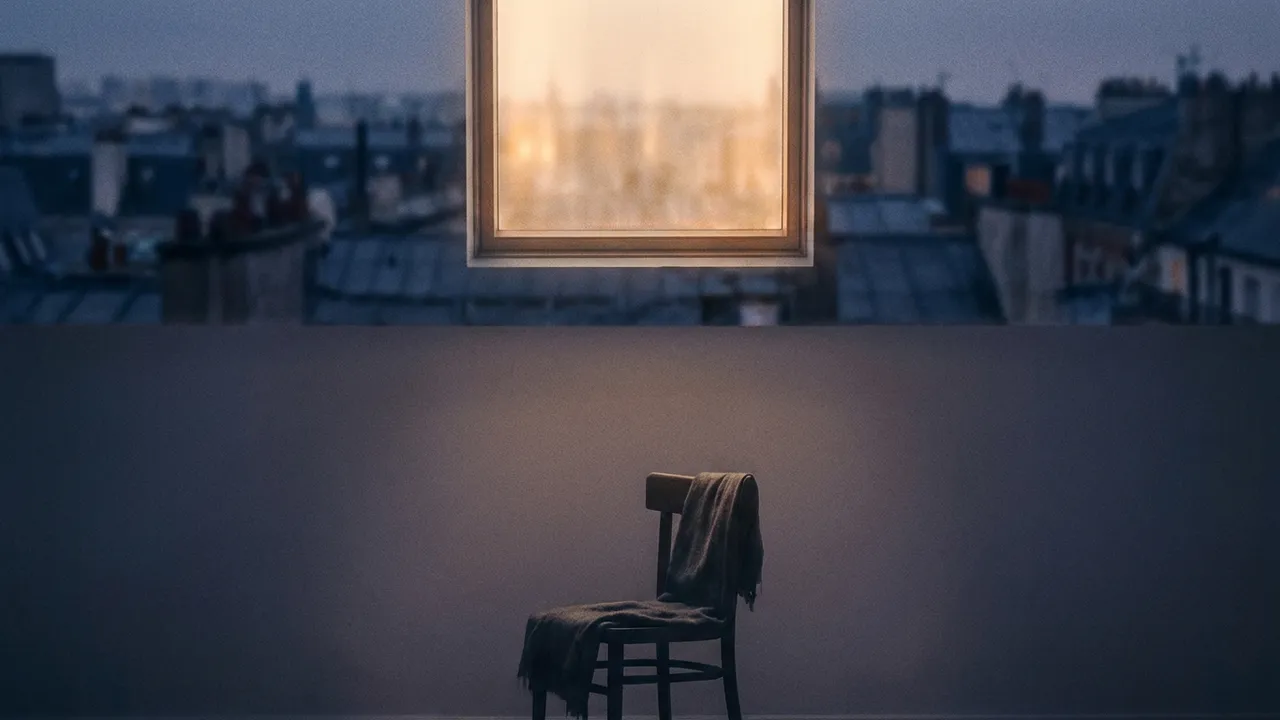
Nighttime existential dread does not always announce itself. It can be quiet and still and yet feel like falling. Not the cinematic plunge. A tilt. Half an inch. The stomach registers it before language. The room sits obediently in its corners. The familiar lamp glows. And still, some interior edge goes missing, and the self moves a step too close to the window of scale.
Out there are stars whose light left before your grandparents met. In here are sheets and a glass of water. Between the two is a mind that, after dark, forgets its size and wants to be the size of everything. To be big enough to hold infinity or to be so small that it disappears entirely. Either way, the hour asks questions that cannot be graded. What is this. What am I doing in it. Who, exactly, is the I that is asking.
Meaning feels like a tide: it advances, it recedes, and at two a.m. the shore is far away.
It is a property of minds that learned to scan for edges: cliff, cave, tribe, night.
This is not failure. When the day’s tasks end, the scanner keeps sweeping. With no tigers to log, it picks up metaphysical weather. A threat is a threat to the organism whether it is a shadow behind a tree or a question about why. The same survival circuitry hums. If that vigilant hum feels familiar, there is a simple map of it in the science of hyper-vigilance.
The Bleak Hour Is Honest and Unhelpful
Honest, because the prettied walls of daytime meaning are thinner than we pretend. Unhelpful, because the hour cannot build what it tears down. The scaffolds of story and role and task vanish in low light. No one is watching. The desk is not asking. The calendar is empty for the next eight hours. Without the scaffolds, the self looks around and says, now what. It makes a cathedral of a ceiling crack and asks it for an answer.
The answer does not come, and the dread grows to fill the vacancy it made. The dread says: if nothing secures me, then I am unsecured. The room that was safe becomes the site of inquiry. The pillow is a witness.
When Philosophy Turns Mean After Dark
Philosophy in daylight is a generous friend. At two a.m. it can turn mean. The same questions that felt thrilling over coffee become an undertow. There is a reason many traditions tie big questions to small embodied acts—kneeling, lighting a candle, touching the ground. The body gives the mind a border. Not as dogma. As kindness.
Learning Edges Without Lying to Yourself
There are edges we can build without pretending to certainty. A hand on the chest is an edge. The wall where it meets your shoulder is an edge. Naming three objects in the room—lamp, window, sock—is an edge. Tiny, sufficient, almost embarrassing. Edges do not defeat the cosmos. They make a local world you can inhabit until the tide of meaning returns.
What Ritual Knows About a Night
Ritual teaches this on a larger scale. Not because ritual knows what the universe is, but because it knows what a night is. A night begins, swells, softens, ends. A ritual sets a few stones along that river so you can cross without wading the whole way. You can read more about this gentler architecture in on ritual and rhythm.
Some Nights Ask to Be Witnessed
There is also the humility of accepting that some nights ask to be witnessed rather than solved. Dread has a way of growing fangs when told to stop. The breath can be a spectator. The walls can be spectators. You can be a spectator who is also the scene. This paradox is somehow enough. There is a quiet essay about that stance in why some nights don’t need fixing.
Naming the Shape Without Filling It In
In the bleak hour, naming can help. Not a manifesto. A label, like a botanist tucking a paper tag on a rarer leaf. "Nighttime existential dread. Arrived at 1:40. Circulation increases. Thoughts loop around void. Will check again at dawn." The mind likes a file to place on a shelf — neuroimaging confirms that putting feelings into words quiets the amygdala in just this way. The shelf does not need to be sturdy. It needs to exist.
Saying It Aloud Into the Dark
If naming aloud feels less lonely, there is a ritual that asks very little. Choose one line to say into the dark. Let a carefully crafted AI voice repeat it back with respect. Let that voice tell you it will leave it in the morning and take nothing with it. This small exchange does not replace religion or philosophy. It replaces gnawing with being met.
The Day Keeps Its Contract
Dawn is not a cure. It is a contract renewal. The street begins again. Some questions shrink in sunlight. Some persist, but at day’s scale rather than the scale of stars. The body remembers coffee. The sink demands soap. A bird insists on being a bird. This is one of the loveliest facts: meaning is made at human size even when human size is scandalously small.
Edges Return in Ordinary Clothes
Edges return in ordinary clothes. The cracked tile is not a portal. It is a tile. The window is a rectangle that opens. The hand on the chest feels bone and breath and the oldest rhythm we know. Even if the bleakness has not vanished, it finds itself crowded by errands and kindnesses that do not ask for metaphysics.
There is no tidy conclusion to the hour without edges. That is part of why it hurts. But there can be company within it and small borders drawn without lying. There can be the remembered fact of morning, even when the clock insists it is far from here.
There is a quiet place for this. We made Tonight for nights like this—a soft voice to meet a single, honest line and keep it safe only until dawn. If a border would help, you can join the waitlist.
Frequently asked questions
What is nighttime existential dread?
Nighttime existential dread is the drifting unease that can arrive after dark, when the day's scaffolds of role and task fall away and the big questions feel suddenly close. It often shows up as a quiet sense of falling rather than a dramatic panic, a tilt where some interior edge goes missing. It is uncomfortable, but it is a recognizable shape that many people meet at the same late hour.
Why does existential dread feel worse at night?
At night there is less to occupy a mind that learned to scan for edges, so the scanner keeps sweeping and picks up metaphysical weather instead of daytime concerns. The prettied walls of daytime meaning are thinner than we pretend, and in low light the questions that felt thrilling over coffee can turn into an undertow. The hour is honest about that, even when it is not kind.
How do you deal with existential dread at night?
Small, embodied borders tend to help more than arguing with the questions themselves. A hand on the chest, naming three objects in the room, or following the same gentle ritual can make a local world you can inhabit until the tide of meaning returns. Some nights simply ask to be witnessed rather than solved, and letting them be witnessed is often enough.
Is nighttime existential dread a sign that something is wrong?
For many people it is not a flaw but a property of minds that scan for edges after dark, the same survival circuitry humming with nothing concrete to log. Naming it and giving the body a border can soften the hour without pretending to certainty. If the dread is persistent or overwhelming, it can help to talk with someone you trust.
What is Tonight?
Tonight is a digital sleep ritual that helps you clear your mind and decompress. Through structured reflection and personalized, synthetic audio guidance, we provide a quiet, private space to help you find closure before you sleep. Private, ephemeral, and designed to help you rest.
The quiet list
Notes for a quieter mind.
Join the newsletter for occasional, thoughtful notes on sleep, emotional regulation, and building a calmer life. We only write when there’s something genuinely worth your while.