Why grief hits harder at night: after dark, absence grows edges, and the house listens. A letter for the hours when grief returns with the keys and lets itself in.
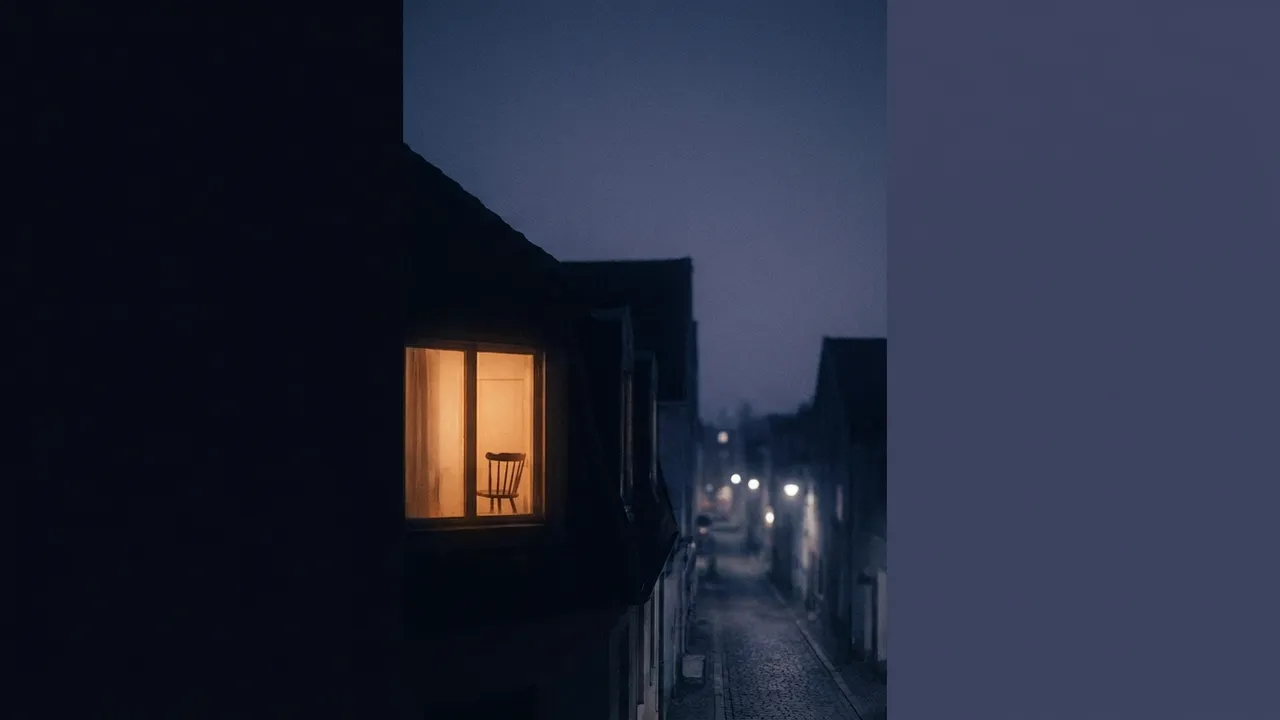
Houses have personalities by day — sun splashed across a table, a shoe left ajar, a laugh trailing down the hallway. At night, the house becomes an outline. The table is a shape. The shoe is an obstacle. The laugh is a held note remembered more than heard.
In that outline, absence takes on a voice. The rooms name what is not, and the body, hearing it, answers back with ache.
There is a question many mourners ask themselves around midnight: why does grief hit harder at night than it does in the brightness of an ordinary afternoon.
The mind is not cruel in doing this. It is accurate. It knows something is missing because love remembers it. Many of us learn in these hours that sorrow is not the opposite of love but its continuation when the beloved cannot be reached.
Why Grief Hits Harder After Dark
Grief Has Its Own Geometry
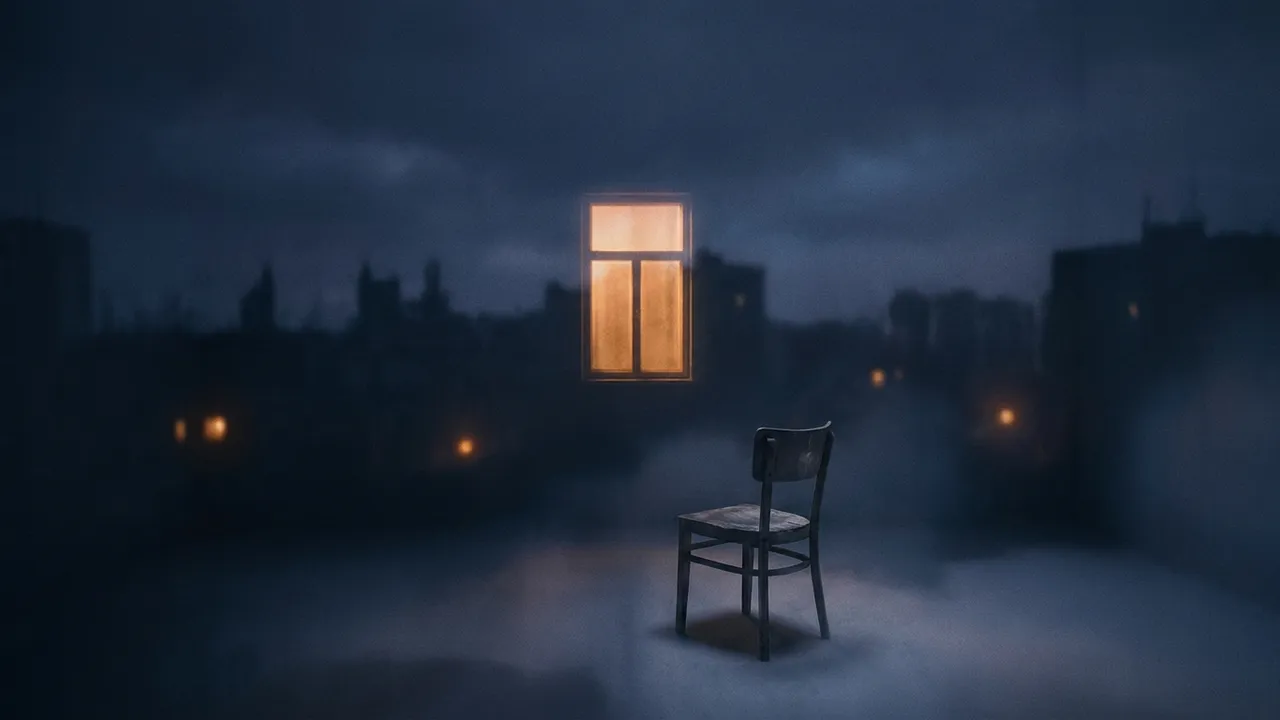
Grief has its own geometry. By daylight, edges soften under errands and conversations. There are hands to hold and lists to write. Night removes the scaffolding. The rooms stand without furniture. The heart, deprived of small distractions, turns its face toward what is gone and feels the wind across that open architecture.
Sorrow is love, keeping its promise after the door has closed.
The Guard the Body Keeps at Dusk
There are also simple reasons the ache blooms now. The nervous system carries a guard at dusk — what researchers now call the Mind After Midnight hypothesis, a window when wakefulness tilts toward darker cognition. Old human animals knew that danger arrived more often when light was thin. The guard stays alert, and in modern bedrooms it turns its attention inward, scanning for threat, noting wounds. If that guarding feels familiar, there is a companion piece on the science of hyper-vigilance that names this tender, overcautious watch.
The House Keeps Their Shape
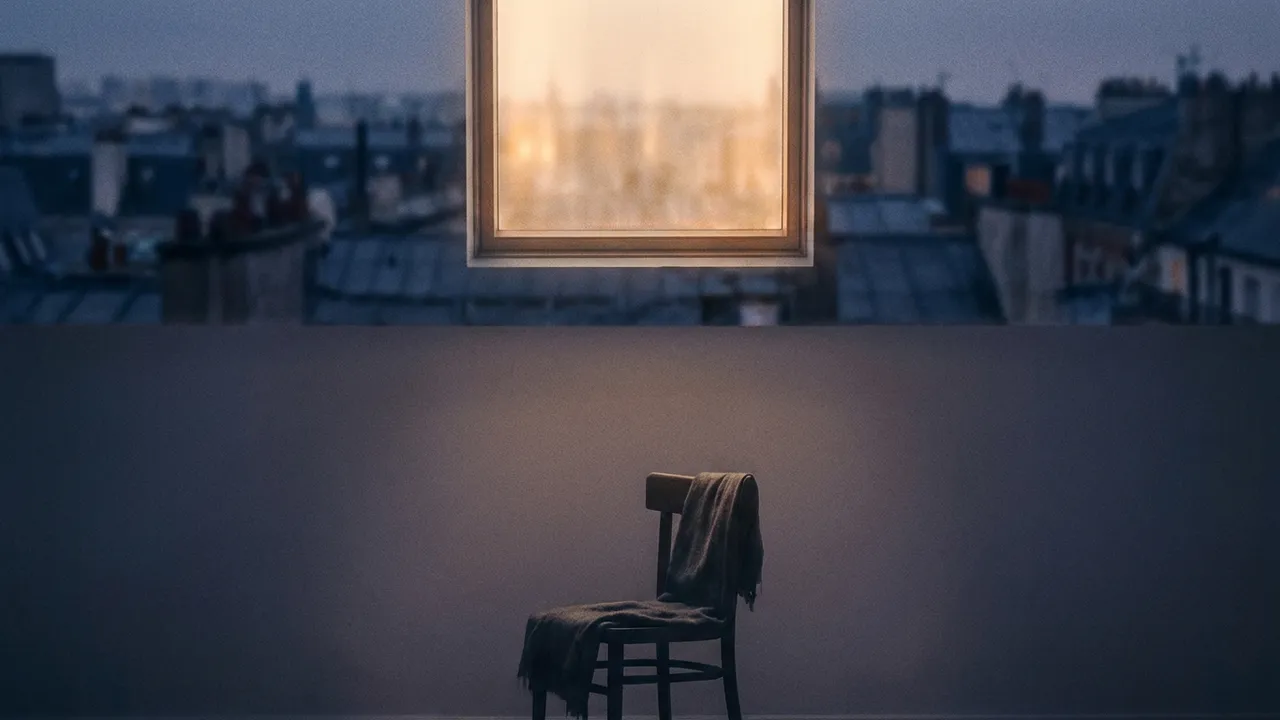
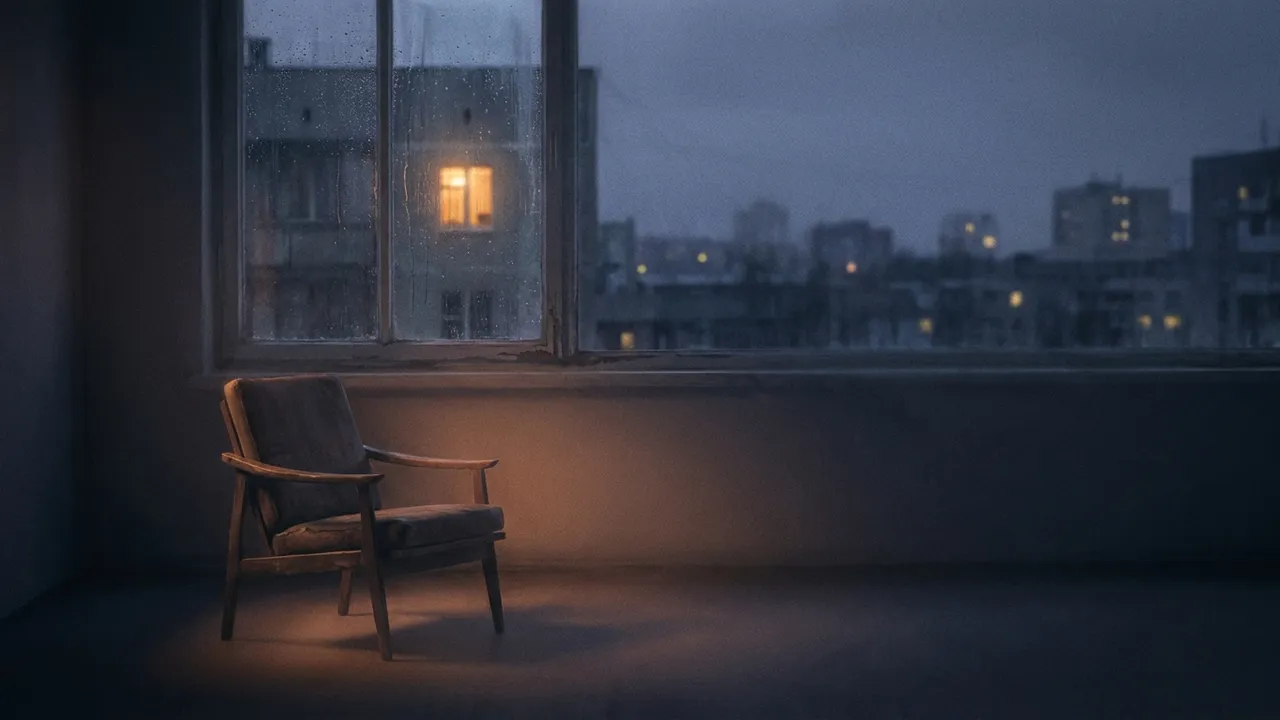
A chair keeps a curve in the cushion where a body sat. A high shelf remembers the spices they reached for most. The mirror at the end of the hall retains the outline of a head bent for a last check before leaving. Night makes these reliquaries glow. It asks us to look.
When Memory Arrives Like Weather
Looking hurts. It is also the only way the heart knows to honor what happened. We look, and memory arrives not as a slideshow but as weather. Sudden, then thin. Cold, then strangely warm. A laugh bubbles up in the middle of tears. The body feels tricked by this. It is not a trick. Grief is a braid. Mourning pulls humor into the same room as lament because both are evidence of the same devotion.
Writing One Sentence as a Bridge
Words can fail here. Neighbors sleep. The clock clicks with indecent cheer. The body tries to speak a language made of heat and pressure in the throat. At such a time, writing one sentence can be a bridge, not toward solution, but toward hearing. Some have found it easing to let a gentle voice read that line back, acknowledge its meaning, and then promise quietly that nothing will be kept past morning. There is a short essay about that vow in why nothing is saved.
The Hour When Stories Return
After dark, the story-making mind surfaces. It strings beads from disparate drawers. The text you didn’t answer. The last joke they loved. The phone call you wish you had made. The narrative that forms can be punishing, as if grief were an accountant tabulating errors. This is the mind trying to find footing on a floor that gave way.
Offer a Gentler Story Alongside It
If the story accuses, it can help to offer a gentler one alongside it. Not to drown it out. To keep it company. A story in which love was imperfect and real, in which there were missed calls and also thousands of ordinary kindnesses. The door held. The tea poured. The shared silence on a long drive that was, in the moment, exquisite and unremarkable. These are facts too, and the night sometimes forgets them.
The Practical Mercy of Ritual
There is also the practical mercy of ritual. Not solution. Rhythm. A lamp turned on for a minute in their honor. A hand laid on wood where their hand once rested. A name said out loud to the ceiling in a voice that cracks and keeps going. Ritual is the alphabet we use when grammar breaks. There is more about small, repeating acts in on ritual and rhythm, not as superstition but as a way to give the hour a border.
Companionship That Does Not Pry
People differ in what kind of company soothes them in grief. Some want a warm room full of low chatter. Some want one person who can sit without arranging the pain into lessons. Some need a voice that is not a friend at all, not a therapist, not a savior or a note-taker — a voice carefully crafted to acknowledge the name you spoke, the loss you carry, and to be there for one quiet hour before letting go. There is a page about how those voices are designed in what the Whisperers carry.
When the Night Grows Too Heavy to Hold Alone
If the night grows suddenly heavier than you can safely hold alone, real help exists in the world, and reaching toward it is a form of love too.
The Work Grief Asks and Does Not Ask
Grief is not homework. It does not require neat penmanship. It asks for witness and time. It also does its own work on us, work we cannot see while it is happening. It refits the house in our chest for a world with a missing room. The construction is noisy. It happens after midnight when permits are not required. The debris is everywhere. Still, over months and seasons, a shape emerges that can hold laughter again without betrayal.
There Is No Timetable
There is no timetable for this. Some nights will be kind and others will be raw with newness even years on. Anniversaries arrive like tides whether or not we have marked the calendar. The smell of rain or a certain chord progression turns the air into old light. The bed knows. The body knows.
It Is Not Weakness, It Is Fidelity
It is not weakness to be undone in that knowledge. It is fidelity. The pieces that scatter can be gathered again in the morning curtain-light and put back on the shelf in a slightly different way. The shelf will tilt. It may never be level again. Houses still stand with a settle in the middle.
Morning's Faint Mercy
At dawn, the house consults its daytime voice. The chair is only a chair again. The mirror is dull and unromantic. The high shelf is unreachable without a stool. This demystification is not betrayal either. It is how hearts get to live here awhile longer. If the night is for magnifying, the day is for shrinking. Each has its power.
Give the Night a Gentle Container
It can help to give the night a gentle container. One sentence spoken into a small ritual. A carefully crafted AI voice that does not try to fix anything, does not ask for your data, does not keep what you offered. It is a way of telling the hour: you may expand here, but not swallow the house.
There is a quiet place for this. We made Tonight for nights like this—so the ache can be held by a carefully crafted AI voice and then set down until morning. If company would help, you can join the waitlist.
Frequently asked questions
Why does grief hit harder at night?
At night the house becomes an outline and the small distractions of the day fall away, so absence has more room to be felt. The nervous system also keeps a kind of guard as the light thins, turning its attention inward toward what is missing. This is part of why grief so often feels heavier after dark, even when the same loss felt quieter that afternoon.
Is it normal for grief to feel worse at night?
Yes. Many mourners notice that grief feels worse at night, when the rooms are quiet and there is little left to hold the attention. The ache arriving in those hours is not a sign that anything has gone wrong; it is often love remembering what it has lost. Mornings tend to shrink the feeling again, and that gentler scale returns with the light.
Why do memories and emotions surface more at bedtime?
When the day's tasks end, the story-making mind tends to surface and string memories together, sometimes tenderly and sometimes as a list of regrets. Without errands or conversation to lean on, the body feels these memories more like weather than thought. It can help to keep a gentler story alongside the harder one, simply to give the heart some company in that hour.
How can I cope with grief that arrives at night?
Small, repeating rituals can give the hour a border: a lamp lit for a moment, a name spoken aloud, one sentence written down. Some people find it eases the weight to let a calm voice sit with the feeling for a while and then set it down until morning. There is no timetable for any of this, and reaching toward other people or support is a form of love too.
What is Tonight?
Tonight is a digital sleep ritual that helps you clear your mind and decompress. Through structured reflection and personalized, synthetic audio guidance, we provide a quiet, private space to help you find closure before you sleep. Private, ephemeral, and designed to help you rest.
The quiet list
Notes for a quieter mind.
Join the newsletter for occasional, thoughtful notes on sleep, emotional regulation, and building a calmer life. We only write when there’s something genuinely worth your while.