The Myth of Self-Soothing: Why Adults Shouldn't Have to Sleep Alone in Their Distress
3 min read
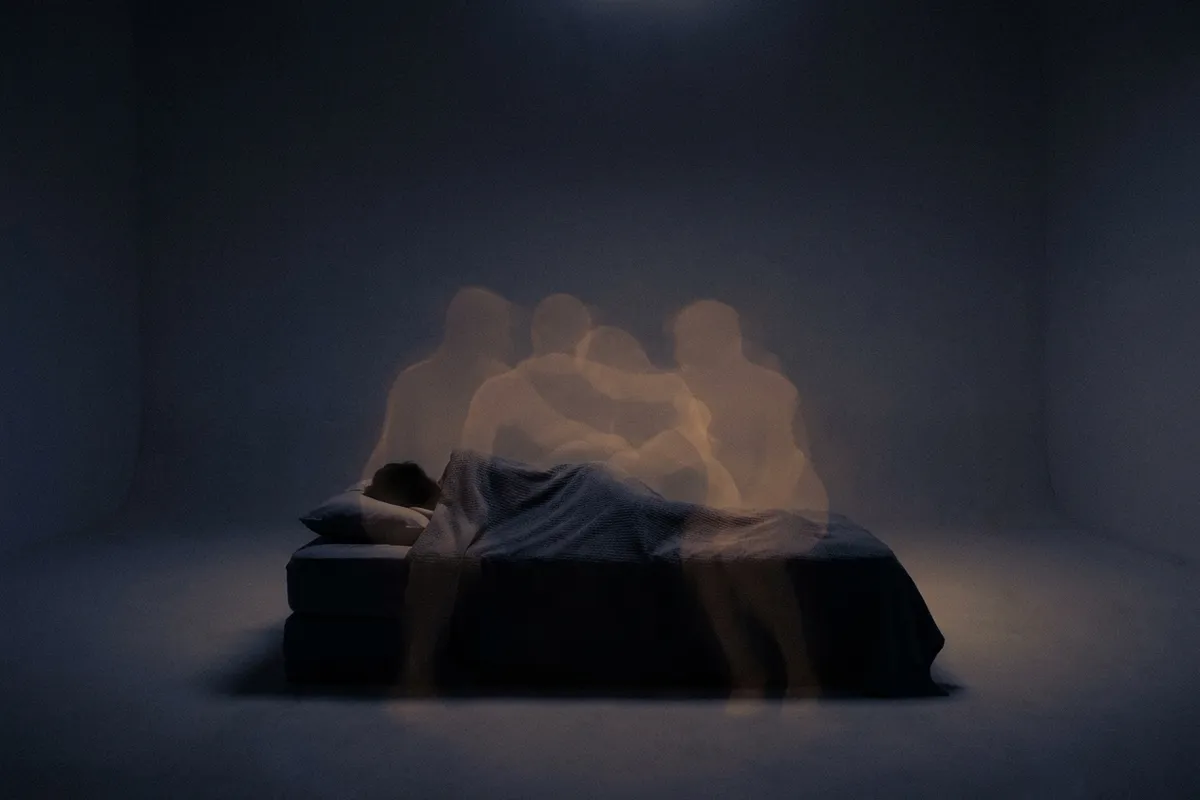
There's a confession people make in therapists' offices: "I can't fall asleep alone." The shame in these admissions is palpable. But humans were never designed to sleep alone.
There's a confession that people make in therapists' offices, in late-night texts to trusted friends, in anonymous online forums—a confession that carries more shame than it should.
"I can't fall asleep alone."
"I need someone there, or I lie awake for hours."
"I'm a grown adult, and I still can't soothe myself to sleep."
The shame in these admissions is palpable. We've internalized a cultural message that mature, functional adults should be able to handle nighttime independently. We should be able to lie down, quiet our minds through sheer willpower, and drift peacefully into sleep without needing anyone.
This is the myth of the self-sufficient sleeper.
And it's not just wrong—it contradicts everything we know about human biology, evolution, and the nervous system.
The truth is far more liberating: humans were never designed to sleep alone.
The Biological Reality
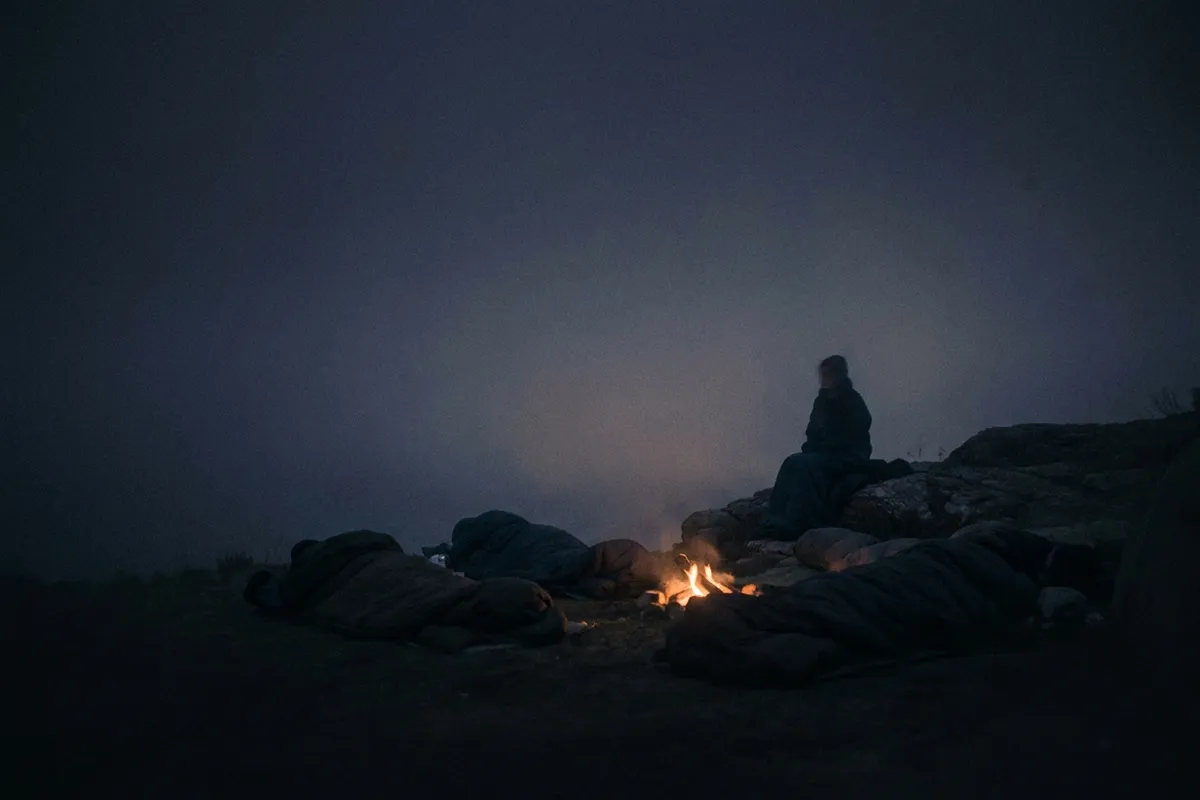
For approximately 99.9% of human existence, people slept in groups. Extended families, tribes, and communities slept in shared spaces—not because they lacked privacy, but because sleeping alone was genuinely dangerous. Anthropologists like James McKenna and Sarah Hrdy have documented this across cultures: solitary sleep is a recent, mostly Western experiment.
Predators hunted at night. Environmental threats required vigilance. A solitary sleeping human was a vulnerable human. So if you can't sleep alone as an adult, you're not regressing — you're remembering.
This isn't ancient history that evolution has erased. Your nervous system carries this programming. When you lie alone in the dark, part of your brain recognizes the vulnerability of your position.
So when you feel like you need someone there to fall asleep, you're not being childish or weak. You're experiencing a biological need that's been hardwired into human neurology since before we were fully human.
Co-Regulation vs Self-Regulation
The conversation around co-regulation vs self-regulation has been dominated by a cultural bias toward independence. Self-regulation is treated as the goal; co-regulation is seen as a stepping stone we should outgrow.
But this hierarchy misunderstands both processes.
Self-regulation doesn't replace co-regulation. They're complementary processes, not developmental stages. The ability to self-regulate often develops through co-regulation. Adults who have access to co-regulating relationships are better able to self-regulate when alone.
No amount of self-regulation capacity eliminates the benefit—or for many, the need—for co-regulation.
The Night Watch
For most of human history, someone was always alert. Those sleeping could rest deeply because others were maintaining vigilance. This pattern meant you were never entirely unconscious and vulnerable.
Modern life has largely eliminated group sleep. We prize private bedrooms. We treat sleeping alone as a marker of maturity.
This isolation is historically unprecedented. When you struggle to sleep alone, you're responding to the absence of conditions that human sleep evolved to expect.
Conclusion: You Were Never Meant to Do This Alone
Tonight, when you lie down to sleep, your nervous system will do what it's done for millions of years. It will scan for safety. Part of what it's looking for is evidence that you're not alone.
If you struggle to sleep without someone there, you're not broken. You're experiencing the echo of generations of ancestors who survived because they slept in groups. The same vigilance shows up as 3 AM wakeups and the loneliness that arrives after sundown.
The Night Watch of human history meant someone was always awake while others slept. You were never supposed to be both the watcher and the sleeper. You were never meant to carry that vigilance alone.
You were never meant to do this alone.
Frequently asked questions
Is it normal that I can't sleep alone as an adult?
It is far more common than the culture admits. For almost all of human history people slept in groups, so when you can't sleep alone as an adult your nervous system is responding to the absence of conditions it evolved to expect. It is a remembered need, not a personal failing.
What is the difference between co-regulation and self-regulation?
Self-regulation is the capacity to settle your own nervous system, while co-regulation is the calm that arrives through the presence of another person. They are complementary processes rather than developmental stages, and the ability to self-regulate often grows out of co-regulation. No amount of self-regulation fully removes the benefit of having someone near.
Why is self-soothing called a myth?
The myth of self-soothing is the belief that a mature adult should be able to quiet the mind and drift off alone through sheer willpower. That idea contradicts what we know about human biology, evolution, and the nervous system. Needing connection at night is part of how humans are wired, not a sign that anything is broken.
What is Tonight?
Tonight is a digital sleep ritual that helps you clear your mind and decompress. Through structured reflection and personalized, synthetic audio guidance, we provide a quiet, private space to help you find closure before you sleep. Private, ephemeral, and designed to help you rest.
The quiet list
Notes for a quieter mind.
Join the newsletter for occasional, thoughtful notes on sleep, emotional regulation, and building a calmer life. We only write when there’s something genuinely worth your while.