Why You Can't Shut Your Brain Off at Night (And Why Silence Is Making It Worse)
5 min read
You've tried white noise. You've tried meditation apps. You've tried silence. But the silence is the problem. Discover why standard sleep apps fail to stop racing thoughts and why human presence is the biological cure for 3 AM anxiety.
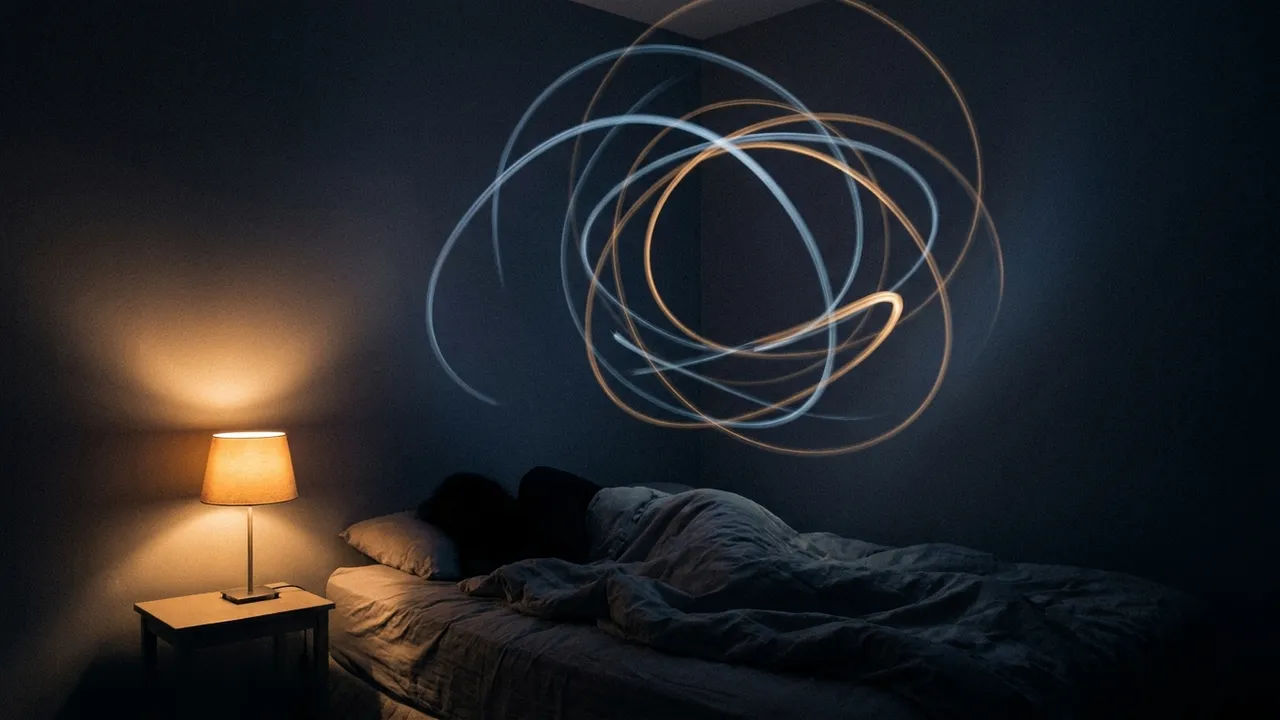
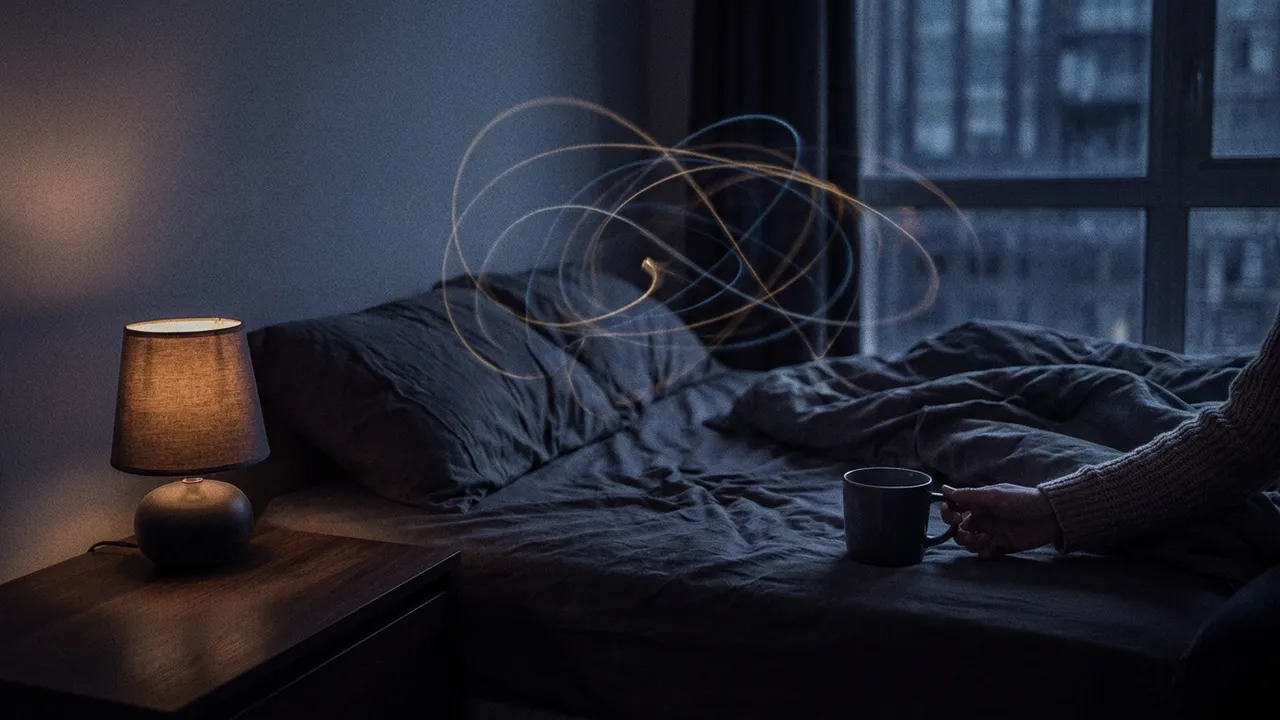
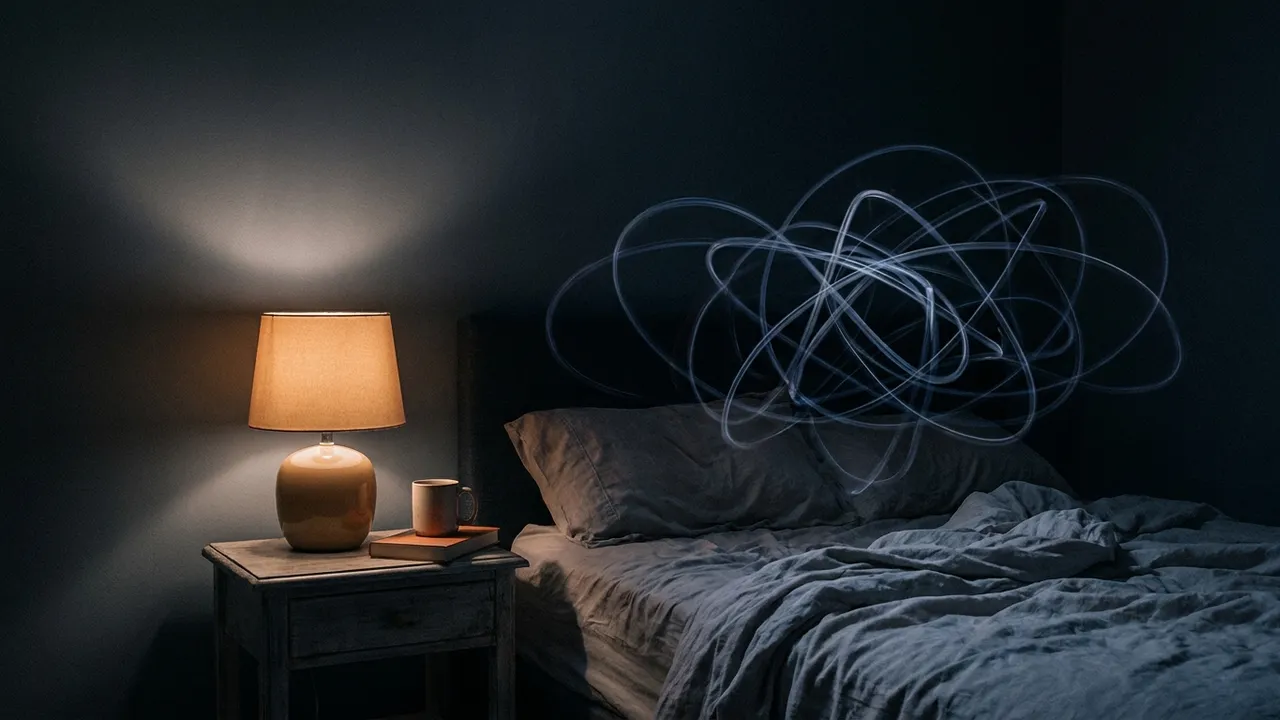
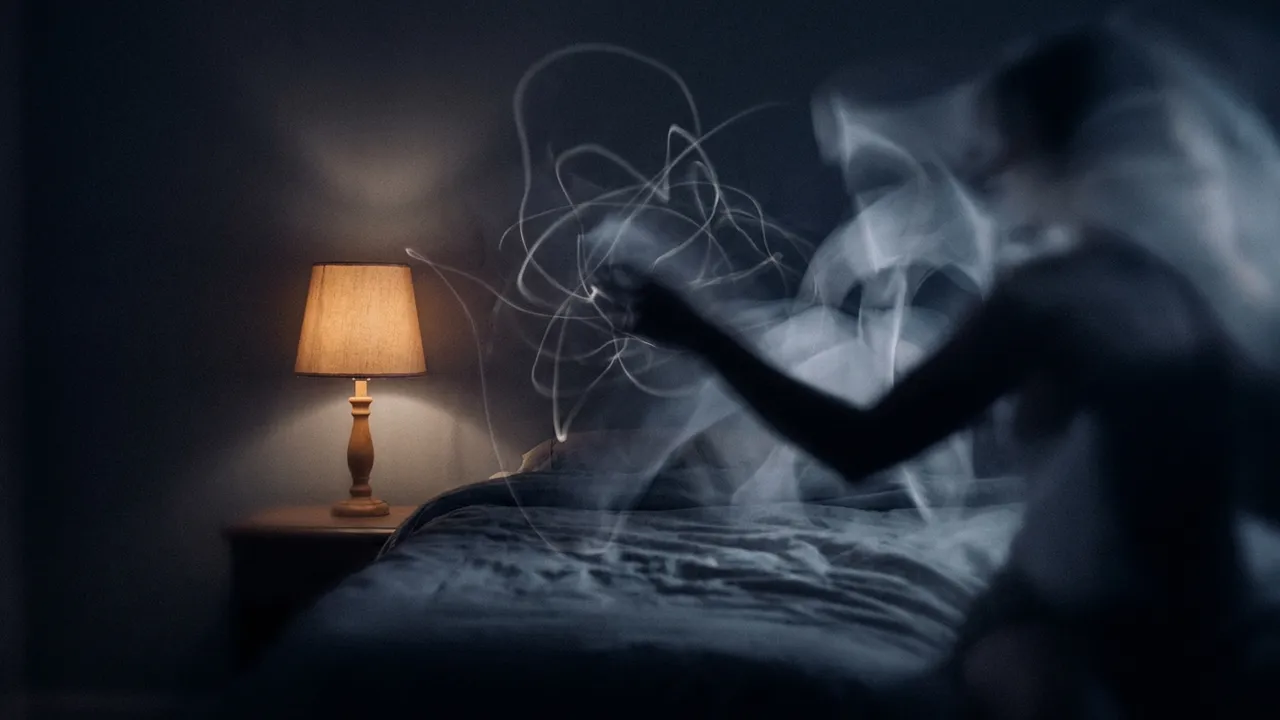
It's 2:14 AM. The room is dark. You are exhausted. But your mind is louder than it was at noon.
You're replaying the email you sent. You're rehearsing the conversation you need to have tomorrow. You're cataloging every mistake you've made since 2014.
You've tried white noise. You've tried meditation apps that tell you to "breathe" in a voice that sounds like it was generated in a server farm. You've tried silence. But the silence is the problem.
The reason you cannot shut your brain off is not because you are broken.
It is because you are hyper-vigilant.
The 3 AM Loop
We've been taught that sleep is a solitary act—something we must achieve alone, through optimization and discipline. Download the right app. Buy the right pillow. Track the right metrics.
But for thousands of years, humans did not sleep alone. We slept in tribes, in families, in rooms filled with the breathing of others. We slept knowing someone was keeping watch — a pattern anthropologists now call the sentinel hypothesis, documented across hunter-gatherer populations in Proceedings of the Royal Society B.
When Silence Reads as Isolation
Your brain perceives the silence of your modern bedroom not as safety, but as isolation. And in isolation, the mind creates noise to keep you company.
Why "Being Heard" Stops the Noise
The Biology of Co-Regulation
There is a biological phenomenon called co-regulation. When we hear a calm, warm voice speaking directly to us — validating our reality, acknowledging our presence — our nervous system physically downshifts. Stephen Porges's polyvagal research explains the mechanism: the middle-ear muscles attune to human vocal frequencies, signaling the vagus nerve that the environment is safe. Allison Harvey's cognitive model of insomnia (Behaviour Research and Therapy, 2002) describes this same loop in clinical terms: cognitive arousal at night feeds the very vigilance keeping you awake. A carefully crafted AI voice, shaped to carry those same vocal qualities — warmth, slowness, breath — can offer something of this signal to the body.
Heart rate slows. Cortisol drops. The vigilance center of the brain finally stops scanning for threats.
A Witness, Not a Podcast or a Meditation
This is different from a podcast. It's different from a generic meditation track.
A podcast distracts you. It fills the silence with someone else's story so you don't have to think about your own.
A meditation instructs you. It tells you what to do with your breath, your thoughts, your body. It's another task to complete.
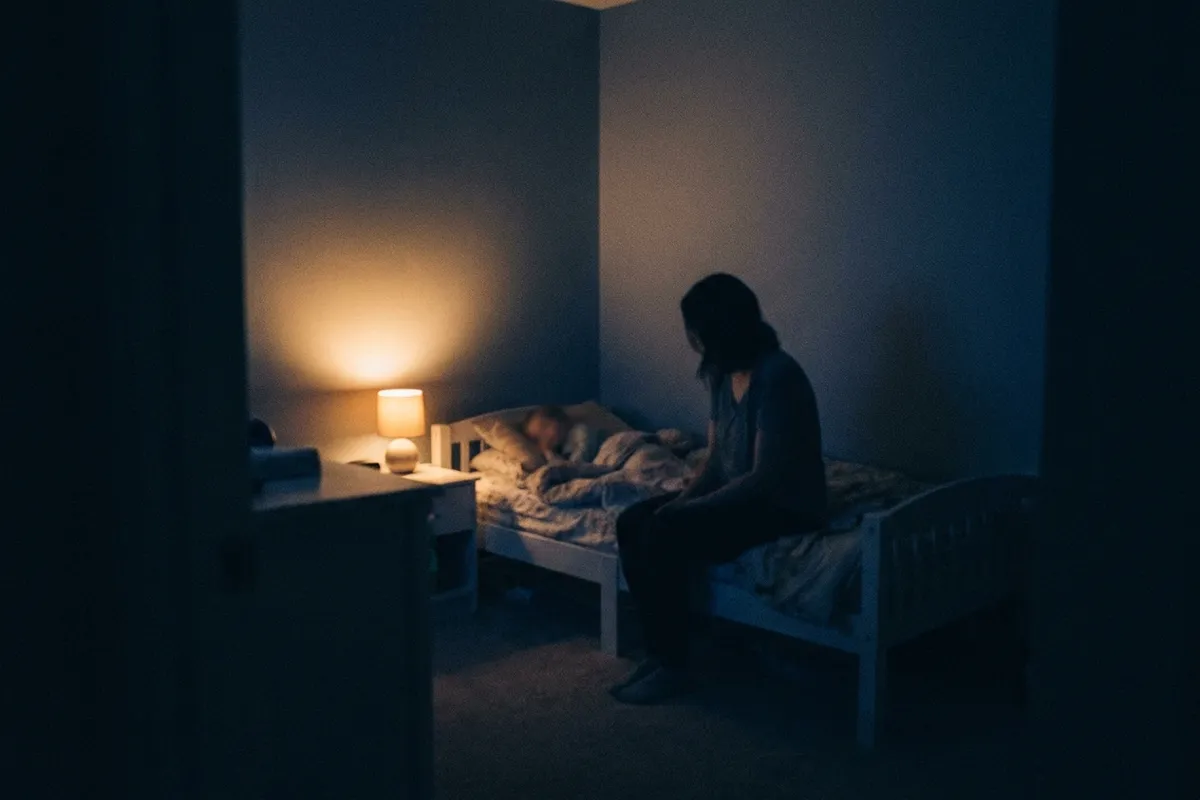
A witness sees you. They don't fix. They don't distract. They simply acknowledge that you exist, that your day was real, that you are allowed to put it down now.
When you know that someone else holds the weight of your day—even just for a moment—your brain finally gives itself permission to release it.
This is why being heard by one specific someone is more calming than any generalized solution. It's not about the words. It's about the presence.
The Myth of "Self-Soothing"
Most sleep advice focuses on fixing you.
They offer tracking, metrics, and streaks. They gamify your rest. They try to optimize your sleep like you're a machine with a software bug.
But sleep is not a problem to solve. It is a state that requires something we've forgotten how to ask for: companionship.
The Comfort of Containment
Psychologists call this need containment. It is the feeling that your emotions are being held by someone else, so you don't have to carry them all yourself.
When you were a child, a parent did this for you. They didn't solve your problems. They didn't offer productivity tips. They just sat with you in the dark until you felt safe enough to let go.
Why "Self-Soothing" Fails at 3 AM
As adults, we're expected to "self-soothe." We're told that needing someone else is weakness. That we should be able to handle the 3 AM thoughts on our own.
But when the anxiety is high and the room is quiet, self-soothing fails. Your nervous system knows when it's alone. And it won't stand down.
You don't need to be fixed.
You just need to be heard.
A Few Things That Quiet the Loop
Name the loop, then put it down. Write the one sentence you keep replaying. Externalizing it on paper, or to a real listener, breaks the rumination cycle.
Long exhale, three times. Inhale 4, exhale 8. Slow exhalations are the fastest signal of safety the body recognizes.
If you're stuck in the loop of overthinking tonight, stop trying to force silence.
Silence isn't the cure. Silence is what your brain is trying to fill.
Instead, try releasing the day into a small, repeating ritual. Not journaling into a void. Not meditating at a wall. A ritual that receives the line you wrote and gives it back as a calm voice in the dark while you rest.
This is why we built Tonight.
It is not a meditation app. It is not a chatbot pretending to be your friend. It is not a tracker measuring your failure to fall asleep.
Tonight is an AI-guided evening ritual — voices carefully curated by humans, shaped to feel close — for people who can't shut their minds off.
The Release
You write one line about your day. The thing you're carrying. The thing you can't say out loud to anyone else.
The Reading
An AI-guided ritual receives it. The whisperers are AI voices, given human qualities by the team that crafts them.
The Return
A message is prepared just for you. Your name is spoken. What you wrote is acknowledged. And then the voice stays with you — quietly in the dark — until you drift off.
It works because it replaces the anxiety of isolation with the safety of presence.
It is the digital equivalent of someone sitting by your bed, telling you: I see you. You did enough today. You can rest now.
You Are Not Alone Tonight
The goal is not to build a record of your pain.
The goal is to release it.
Once you sleep, the message disappears. Nothing is tracked. Nothing is optimized. There is no streak to maintain, no data to analyze, no performance review of your rest.
Just one night at a time. Just one voice in the dark.
You don't need another app to fix your sleep. You need a place to put your thoughts down so you don't have to carry them into your dreams.
If you're tired of being alone with your mind at 3 AM, come sit with us.
Tonight is available for people who are ready to stop optimizing and start resting. No tracking. No streaks. An AI-guided evening ritual, shaped with human care, that meets your day and stays with you until you sleep.
Frequently asked questions
Why can't I shut my brain off at night?
Often it is not a sign that anything is broken — it is a sign that you feel unguarded. Your nervous system reads the silence of a dark, empty room as isolation rather than safety, and in that isolation the mind generates noise to keep you company. The racing is a kind of vigilance, an old instinct to stay alert when no one else is keeping watch.
Why does silence make racing thoughts worse at night?
Silence is not always calming, because a wired mind can hear an empty room as proof that it is alone. Rather than soothing you, that quiet can become the space the brain rushes to fill with replayed conversations and unfinished worries. This is part of why white noise or a silent meditation can leave the loop running instead of loosening it.
Does self-soothing help with 3 AM anxiety?
Self-soothing can do a lot, but when anxiety is high and the room is quiet it often falls short, because the nervous system can tell when it is alone. We are taught that needing someone else is a weakness, yet humans have always rested most easily in the presence of others. What tends to settle a racing mind at 3 AM is less about fixing yourself and more about feeling accompanied.
How does being heard calm a racing mind at night?
When we hear a calm, warm voice speaking directly to us, the nervous system can physically downshift — a process known as co-regulation. The body reads slowness, warmth, and breath as cues that the environment is safe, so the part of the brain that scans for threats can finally ease. It is less about the words themselves and more about the sense of presence.
What is Tonight?
Tonight is a digital sleep ritual that helps you clear your mind and decompress. Through structured reflection and personalized, synthetic audio guidance, we provide a quiet, private space to help you find closure before you sleep. Private, ephemeral, and designed to help you rest.
The quiet list
Notes for a quieter mind.
Join the newsletter for occasional, thoughtful notes on sleep, emotional regulation, and building a calmer life. We only write when there’s something genuinely worth your while.